What Is a Corn?
Corns are small areas of thickened skin that develop when part of the foot is under repeated pressure or rubbing. They most often appear on the tops or sides of toes, or on the soles of the feet. Corns form as the skin tries to protect itself from irritation, but over time they can become painful and make walking uncomfortable.
Corns are different from callus. Callus tends to be larger and spread over a wider area, while corns are usually smaller and can have a hard centre that presses into deeper tissue. This is often what causes discomfort.
What Can Cause Corns?
Corns usually develop because of ongoing pressure or friction on the skin. Several everyday factors can contribute to this.
Poorly Fitting Footwear
Shoes that are too tight, narrow, or loose can cause rubbing. High heels and shoes with a narrow toe box can squeeze the toes together and increase pressure.
Different Foot Shapes
Conditions such as bunions, hammertoes, or prominent joints can cause certain areas of the foot to take more pressure when walking.
Walking and Movement Patterns
How a person walks can affect where pressure builds up. If weight is not spread evenly across the foot, certain areas can become overloaded.
Spending Long Periods on Your Feet
Jobs or activities that involve standing or walking for long hours can increase stress on the skin and lead to corn formation.
Reduced Natural Padding
As people age, the natural fat padding under the feet can thin. This can make the skin more vulnerable to pressure and rubbing.
How Can Corns Affect Daily Life?
Corns can start as a minor irritation but often become more uncomfortable if they continue to build up. They can cause pain when wearing shoes, walking, or exercising. Some people change how they walk to avoid the painful area, which can lead to strain in other parts of the foot, ankles, knees, or back.
When corns are left untreated, they can become harder and more sensitive, making everyday movement more difficult.
How Are Corns Treated?
Treatment focuses on reducing the pressure that caused the corn and safely removing the thickened skin.
Professional Corn Removal
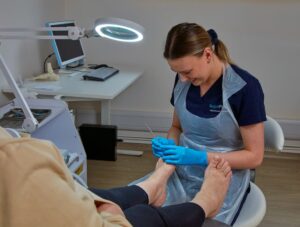
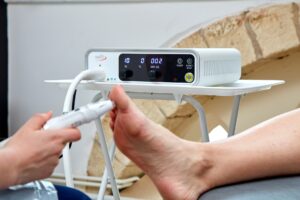
A podiatrist can gently reduce the corn using sterile instruments. This is usually quick and helps relieve pressure and discomfort straight away. Trying to cut or treat corns at home can increase the risk of injury or infection.
Addressing the Cause
Removing the corn alone may not stop it returning. Identifying why the corn developed is important. This may include:
-
Checking footwear and suggesting better fitting options
-
Assessing walking patterns and foot function
-
Providing padding or protective devices to reduce pressure
-
Recommending orthotics to improve weight distribution
If you are noticing pain, hard skin, or a corn that keeps coming back, seeing a podiatrist can help you stay comfortable and active. A professional assessment can safely remove the corn and identify what is causing the pressure so the problem is less likely to return. You can arrange an appointment with our team by using the Book Online button to visit Supafoot and get the support your feet need.